Agate Fossil Beds National Monument
NE
Park Alerts (2)
About Agate Fossil Beds National Monument
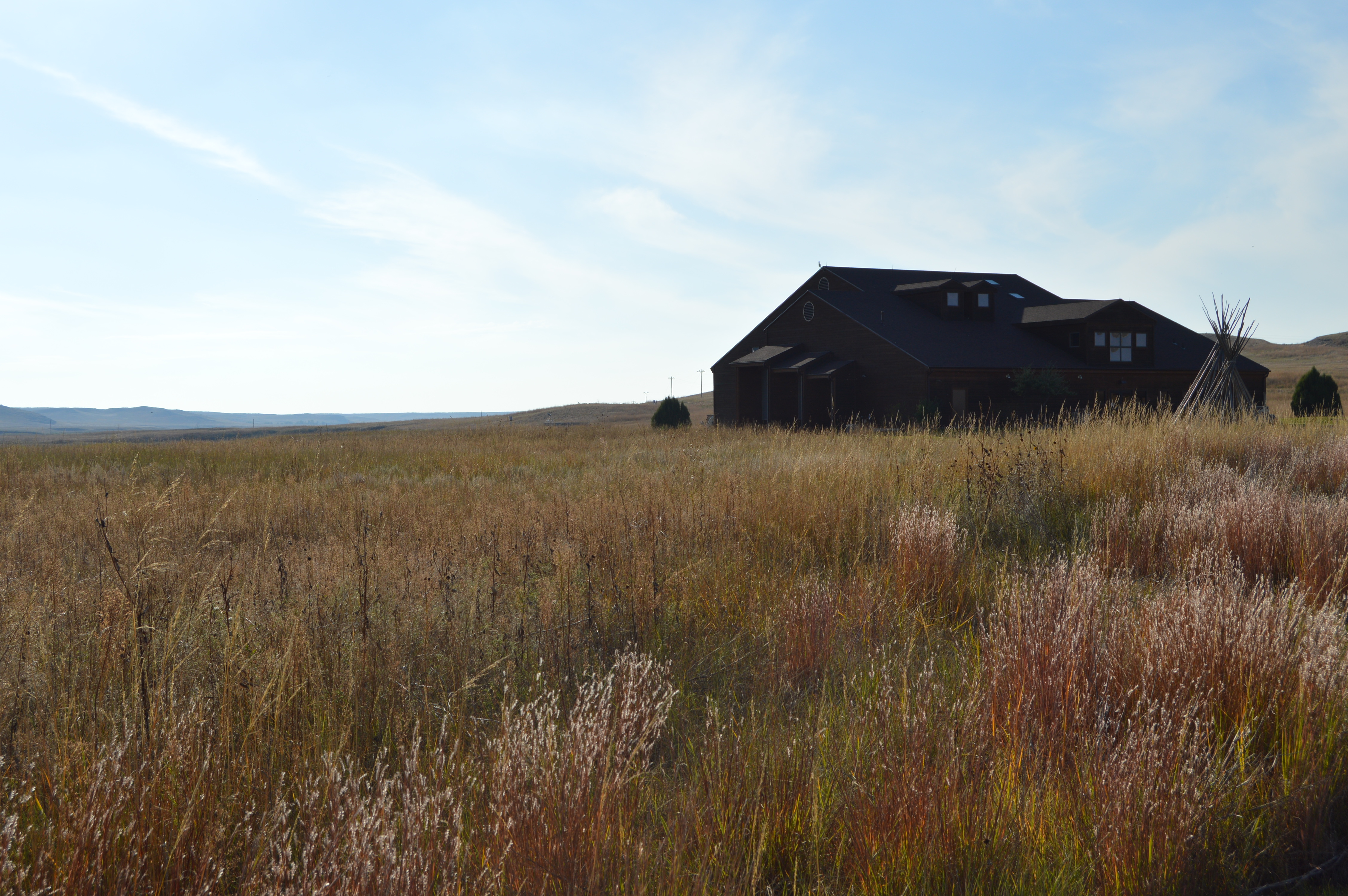
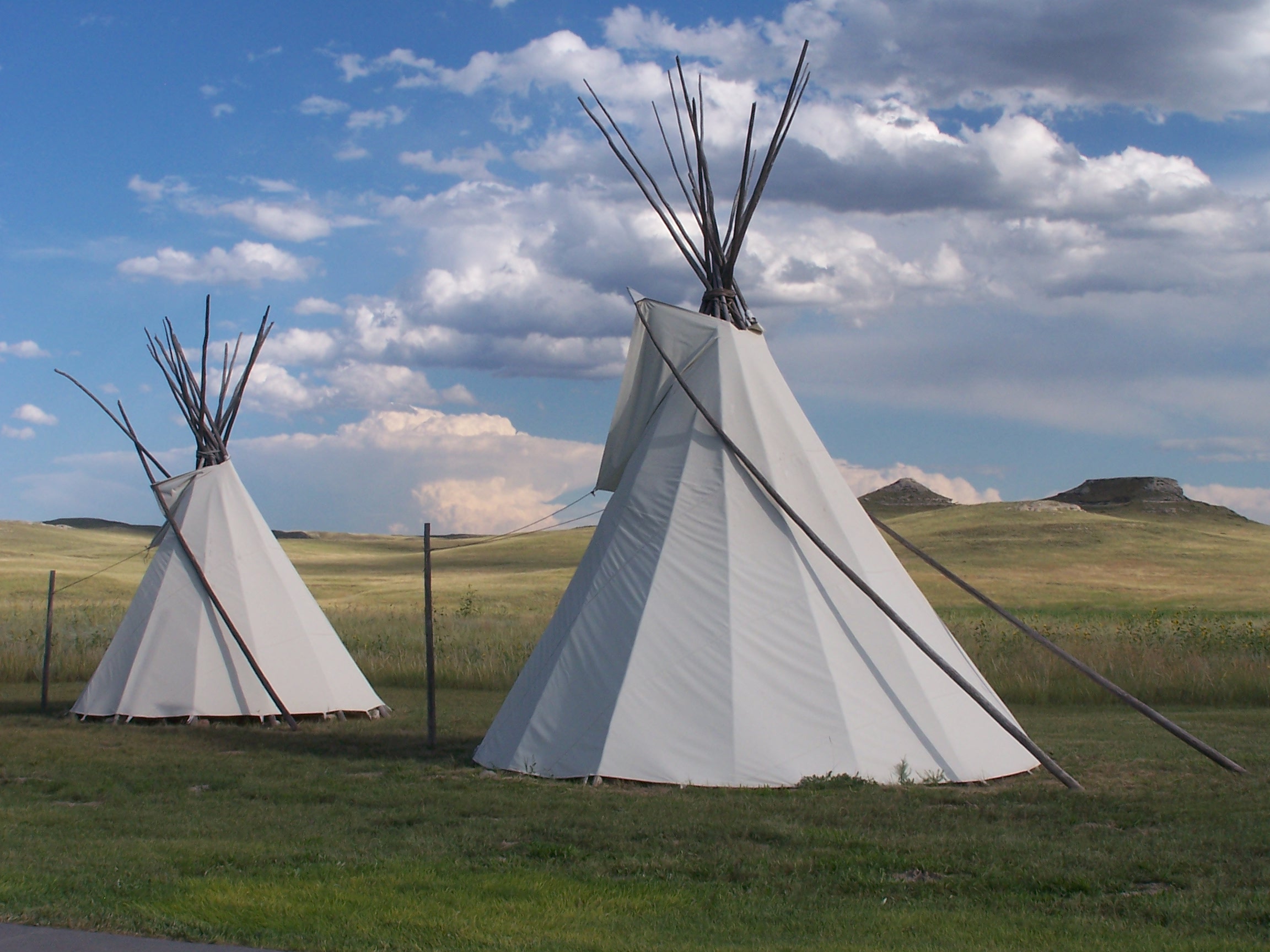
In the early 1900s, paleontologists unearthed the Age of Mammals when they found full skeletons of extinct Miocene mammals in the hills of Nebraska -- species previously only known through fragments. At the same time, an age of friendship began between rancher James Cook and Chief Red Cloud of the Lakota. These two unprecedented events are preserved and protected here...
at Agate Fossil Beds.
Things To Do
Daemonelix Trail
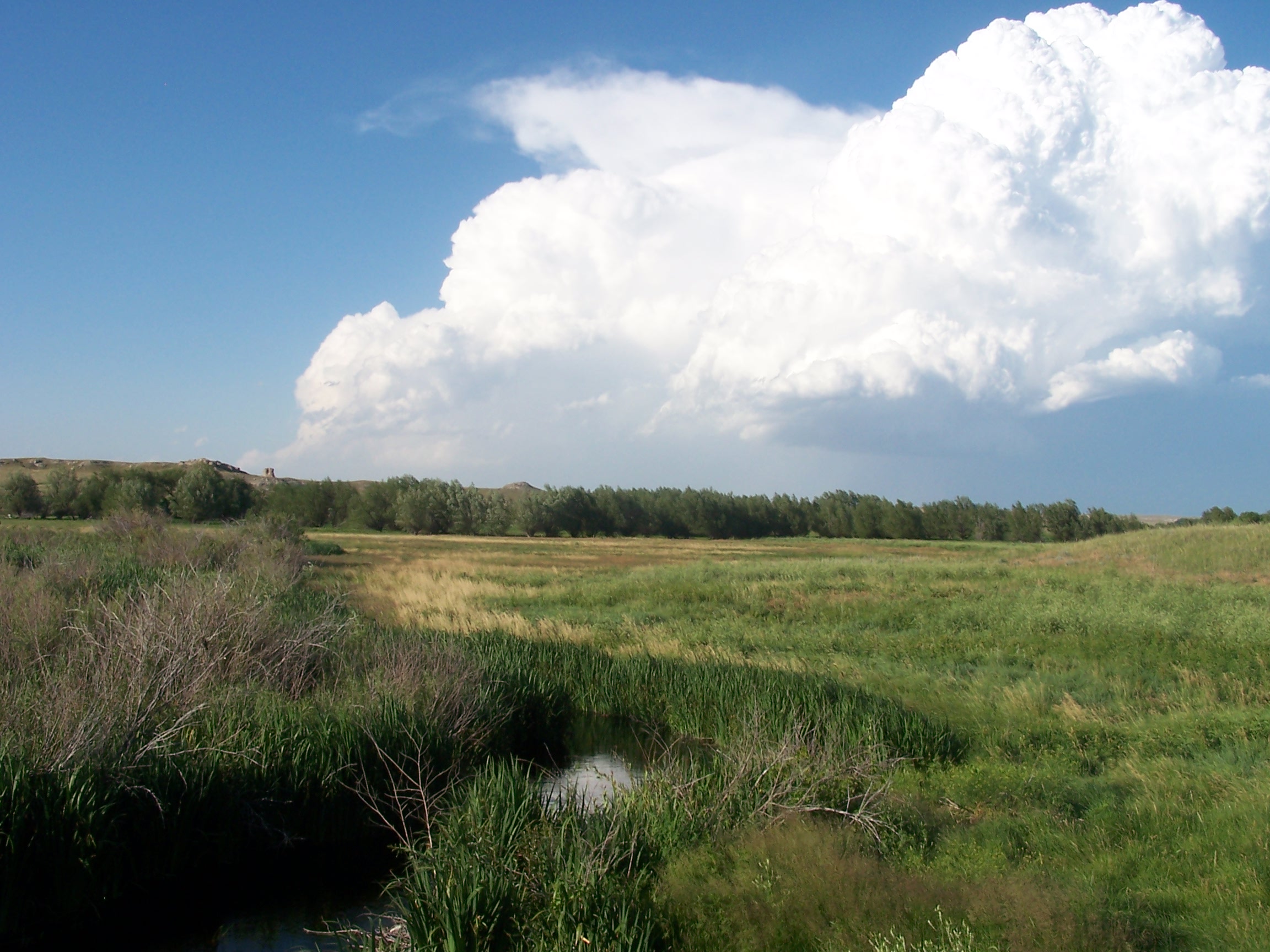
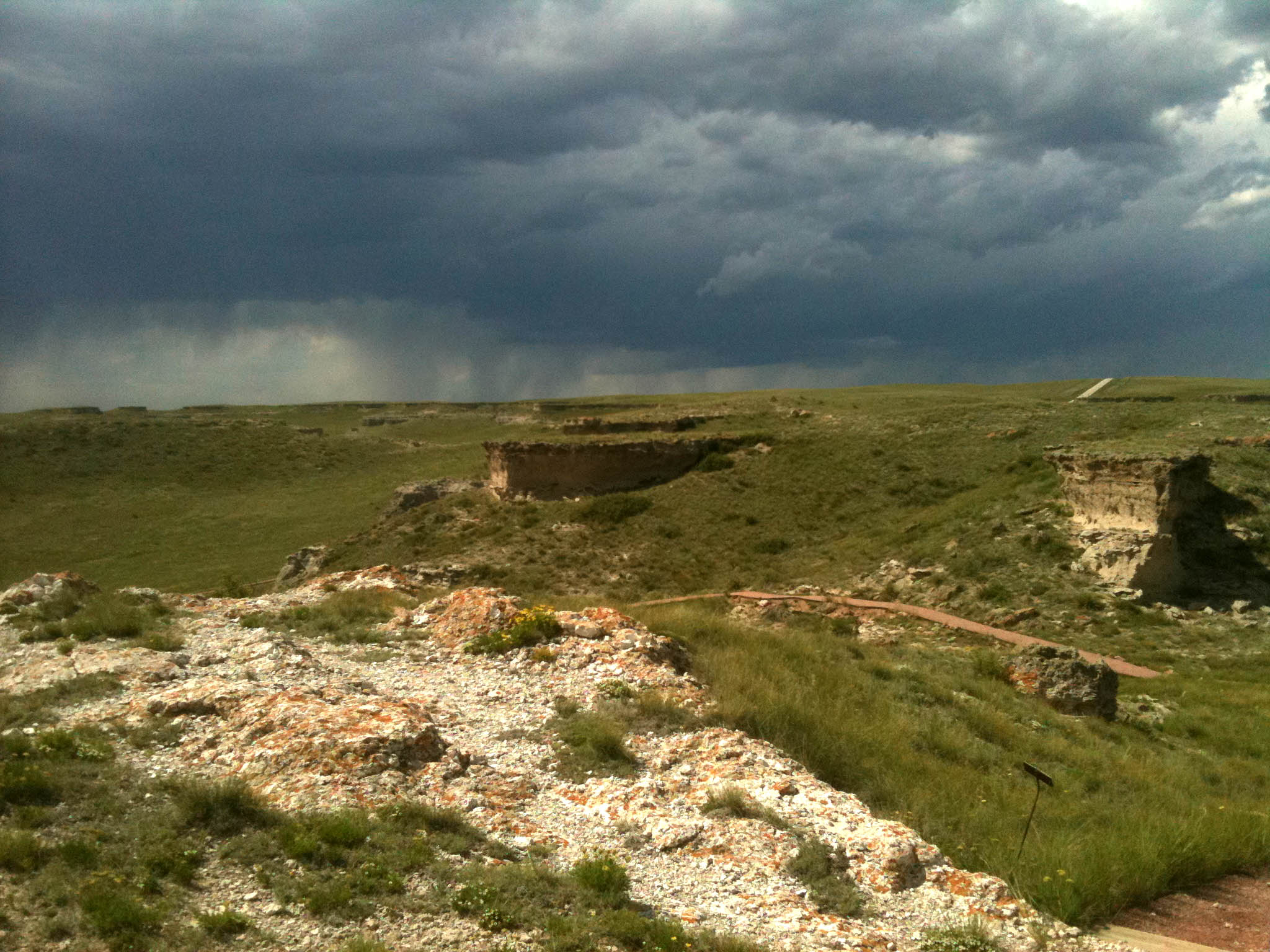
Hike a one-mile trail back in time to the day of the paleocaster, a dry land beaver, and paleosoils, fossilized dirt from the time this landscape was formed. Look out over the vast, open table lands that define the high plaines east of the Rocky Mountains.
Fossil Hills Trail
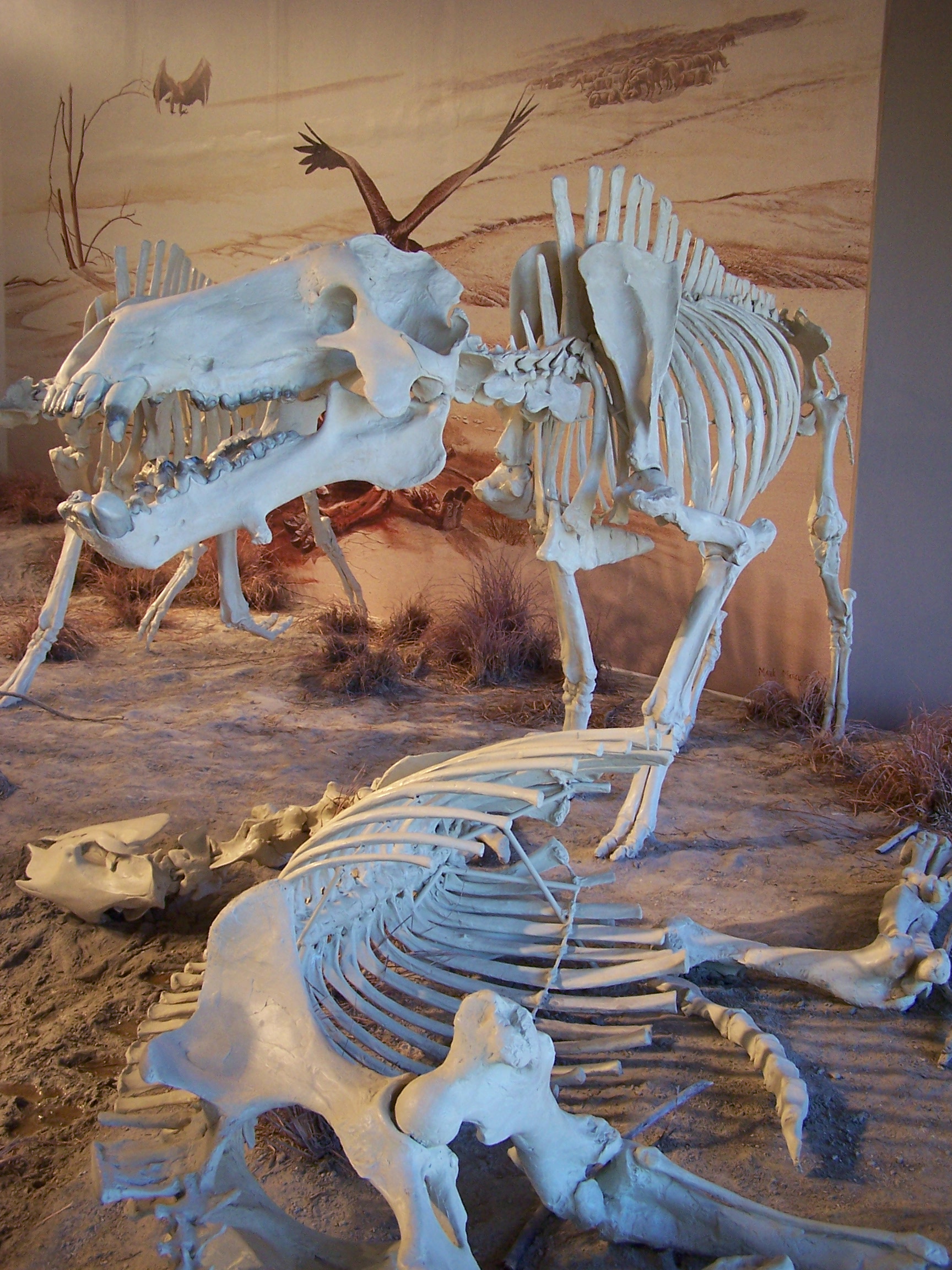
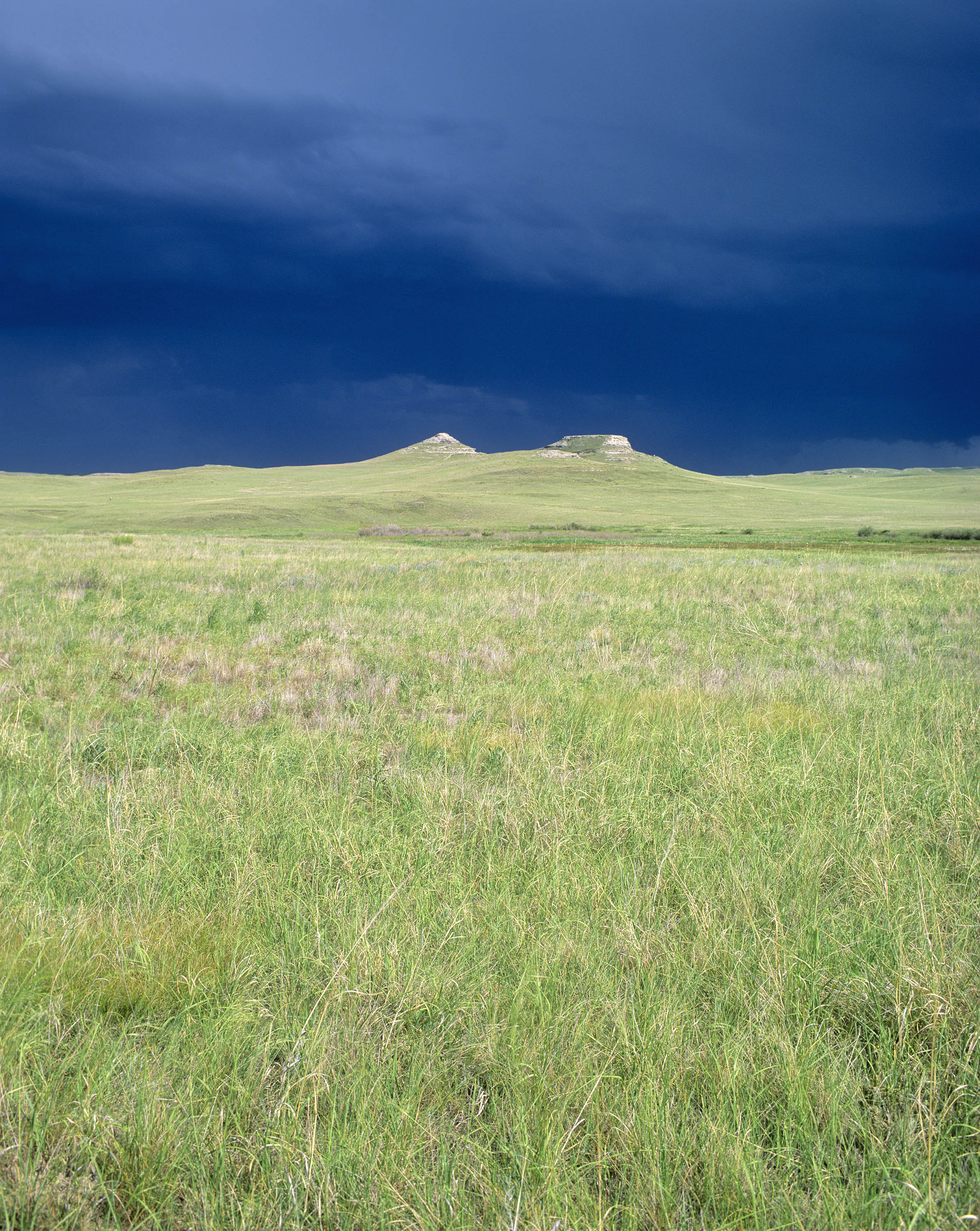
Hike to University (left) and Carnegie Hills. The 2.7-mile Fossil Hills Trail allows visitors to walk up to and see the famed early 1900s quarries. From these quarries, paleontologists recovered some of the world's best preserved and most complete fossilized Menoceras, Moropus, and Dinohyus skeletons.
Available Activities
Weather
Summers can be very warm, high 90's to 100 with the frequent afternoon thunderstorms. Plan to hike early and come down from the higher points if storms threaten. Winter temperatures can dip as low as -20 with snow and wind.
Heaviest snows can be expected in late Spring.
Getting There
From US 20: 22 miles south of Harrison, NE on State Hwy 29, then three miles east on River Road (paved) From US 26: 34 miles north of Mitchell, NE on State Hwy 29, then three miles east on River Road (paved). From State Hwy 71: 25 miles west on the unpaved portion of River Road.
Plan Your Visit
Let Roamze help you plan the perfect trip to Agate Fossil Beds National Monument with AI-powered itineraries.
Hours
Trails
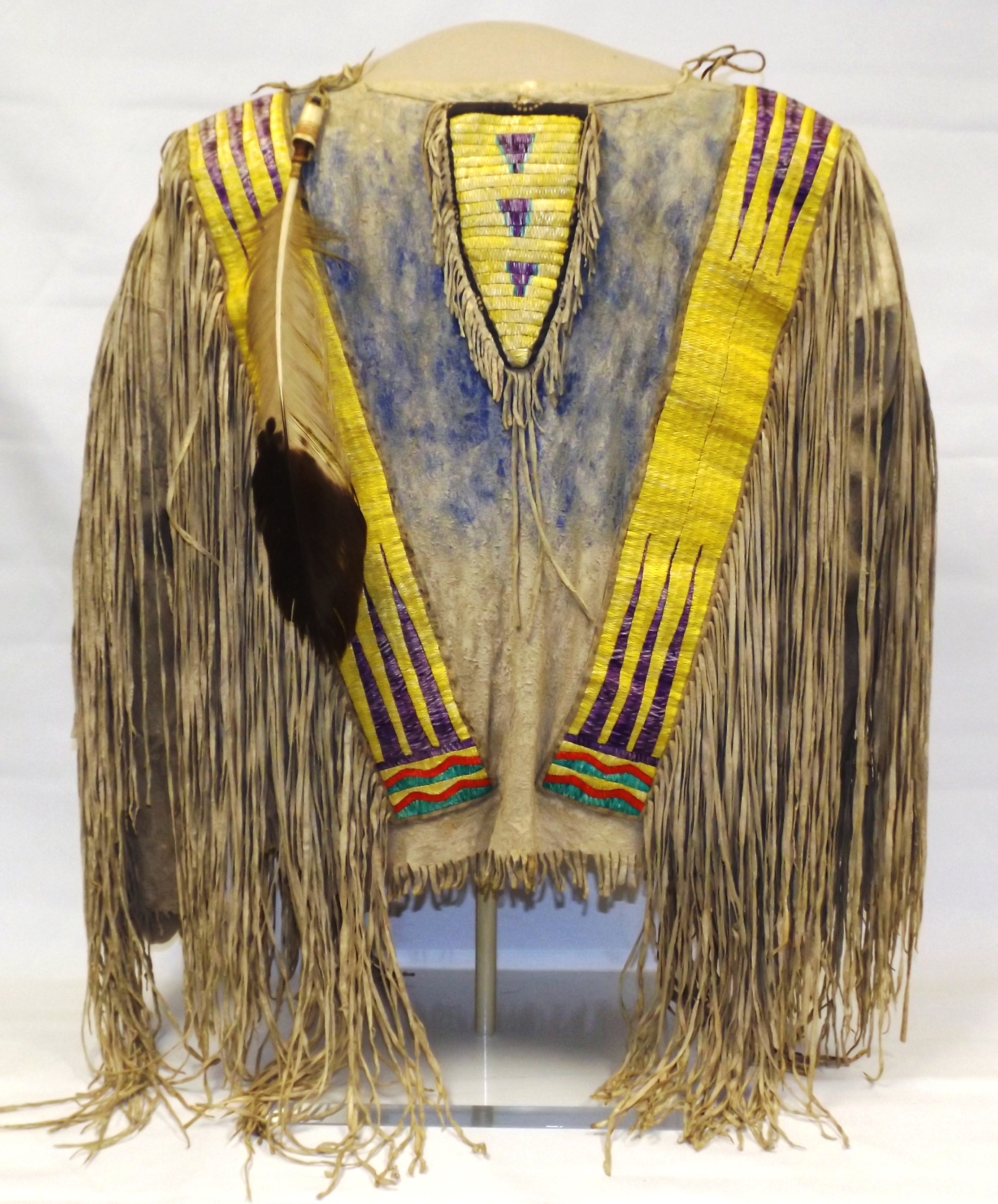
The park's two trails are open from dawn till dusk every day. Visitor Center features Miocene Mammal fossils, a 12 minute movie, and the James H. Cook Collection, a unique collection of American Indian artifacts that were gifts to James Cook and his family.